Every other flagship phone maker quietly dropped the headphone jack years ago. Sony didn't. The Xperia 1 VIII arrived in June 2026 still carrying a 3.5mm port, a microSD slot, and front-facing stereo speakers, features that read like a fantasy spec sheet compared to anything else on the market this year.
That stubbornness defines this review. The Sony Xperia 1 VIII isn't chasing the mainstream, and it never has. What matters here is whether that refusal to compromise still produces a phone worth recommending, or whether Sony's habits have finally caught up with it.
A Redesigned Sony Xperia 1 VIII
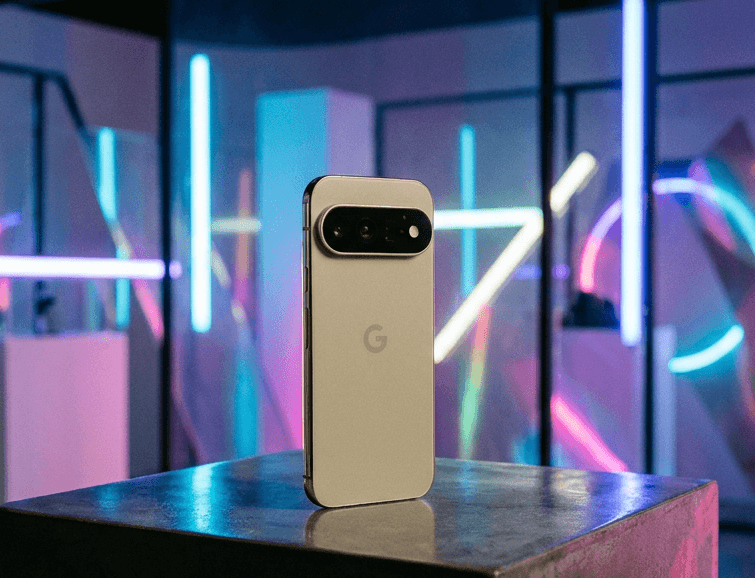
This year brings the biggest visual overhaul the Xperia line has seen in years. Sony introduced a new textured finish, called "ORE," that stands apart from the glass slabs common at this price. The body measures 162.0 by 74.0 by 8.3mm and weighs 200 grams, with Gorilla Glass Victus 2 up front, Victus glass on back, and an aluminum frame.
The phone sticks with a 6.5-inch OLED panel at 120Hz. Sources differ on exact resolution, FHD+ versus a sharper QHD+ with variable refresh, so it's worth double-checking current listings. IP65 and IP68 ratings carry over too.
Colors include Graphite Black, Iolite Silver, and Garnet Red, plus an exclusive Native Gold for the 1TB model. The two-stage camera shutter button returns, a tactile touch most rivals dropped years ago.
Not everything lands, though. One reviewer flagged the power button's fingerprint sensor failing roughly one in three attempts, a real step behind under-display sensors elsewhere.
Sony wanted this phone to look distinct. It does. Whether the details underneath match that ambition is a separate question.
Camera: The Sony Xperia 1 VIII's Strongest Case
Camera hardware got a real overhaul, arguably the strongest reason to consider this phone at all. The rear setup uses a triple 48MP array: a large 1/1.35-inch main sensor, a 48MP ultrawide, and a 48MP telephoto on a sensor roughly four times larger than the previous variable-zoom lens.
That bigger telephoto sensor delivers proper optical quality at 70mm, instead of the usual variable-aperture compromises. Reviewers consistently praise Sony's restrained color science too, calling shots natural rather than oversaturated.
Software is messier. One reviewer called out the camera app before Sony's own AI Camera Assistant drew separate criticism for making photos look worse, not better. Another called the experience janky, undercutting strong hardware with clunky execution.
Video holds up well on paper: 4K at 120fps, HDR, and eye-tracking autofocus from Sony's Alpha lineup.
Overall, this camera shows real hardware progress wrapped in software that doesn't always do it justice. Shoot manually, skip the automated features, and results impress. Expect point-and-shoot polish, and the gap shows fast.
Performance and the Heat Problem
Under the hood, the Sony Xperia 1 VIII runs Qualcomm's Snapdragon 8 Elite Gen 5, paired with up to 16GB of RAM and storage options reaching 1TB. Benchmark testing places it comfortably among the fastest Android phones available this year, and gaming performance benefits noticeably from that GPU alongside the 120Hz display.
Sustained performance is where cracks start showing. Sony included a vapor chamber for cooling, but it doesn't appear large enough to fully manage heat during extended gaming sessions or other demanding tasks. Reviewers noted noticeable throttling under sustained load, not catastrophic, but consistent enough to flag as the phone's weakest technical area.
For typical daily use, browsing, messaging, and casual app switching, none of this creates real problems. It's specifically prolonged, intensive workloads where the Sony Xperia 1 VIII's thermal management falls short of flagship expectations set by some competitors this generation.
Battery, Charging, and Software
Battery capacity stayed flat at 5,000mAh, a decision that looks increasingly conservative against rivals now shipping 7,000mAh cells or larger. Sony maintains that clever software optimization allows two full days of use, though real-world testing suggests something closer to a full day under heavy use, stretching toward a day and a half with lighter habits.
One genuinely distinctive perk stands out here. Sony guarantees the battery will retain 80 percent of its original capacity after four years, reportedly the longest such guarantee currently offered in the industry. That's a meaningful promise for anyone planning to hold onto this phone long-term.
Charging speed disappoints, though. Wired charging caps at 30W, translating to roughly an hour for a full charge, notably slow by 2026 flagship standards.
Software runs close to stock Android, with minimal Sony customization layered on top. There's no support for lock screen widgets or larger folder groupings, features competitors have offered for years. Sony commits to four years of OS updates plus two additional years of security patches, respectable but well short of the seven-year promises some rivals now make.
Price and How It Stacks Up
Pricing in Europe starts at £1,399, translating to roughly €1,499 for the base configuration, climbing toward €1,999 for the top-tier model. That places the Sony Xperia 1 VIII firmly in premium territory, competing directly against phones offering considerably more polish in several areas.
Reviewers have pointed specifically to the Oppo Find X9 Ultra and Vivo X300 Ultra as rivals delivering stronger cameras, smoother software, better battery life, and superior displays for comparable money. That comparison makes the Sony Xperia 1 VIII a genuinely difficult recommendation outside a specific audience.
Conclusion: Who Should Buy the Sony Xperia 1 VIII?
The Sony Xperia 1 VIII isn't built for everyone, and it never pretended otherwise. Creators wanting a headphone jack, expandable storage, and manual camera controls will find features here that simply don't exist elsewhere in this price bracket anymore. That niche appeal remains real and worth acknowledging.
Outside that specific audience, though, the case weakens considerably. Software feels dated, charging lags well behind competitors, and thermal management under heavy use leaves something to be desired. For die-hard Sony enthusiasts and multimedia purists, the Sony Xperia 1 VIII still delivers something distinctive. For everyone else, several rivals now offer more phone for similar money.