The smartphone market has reached a point of diminishing returns, where incremental updates often fail to justify the premium price tag of flagship devices. However, the Google Pixel 10 Pro arrives with a singular, compelling promise: it refines the computational photography experience that has defined the brand for nearly a decade. As we step further into 2026, the question for potential buyers is no longer whether the Pixel can take great photos, but whether its camera system remains the decisive factor in choosing it over competitors like the iPhone 16 Pro or the Samsung Galaxy S25 Ultra. This review dissects the hardware, software, and real-world performance to determine if the camera is still the primary reason to buy this device.
Design and Display: Subtle Refinements
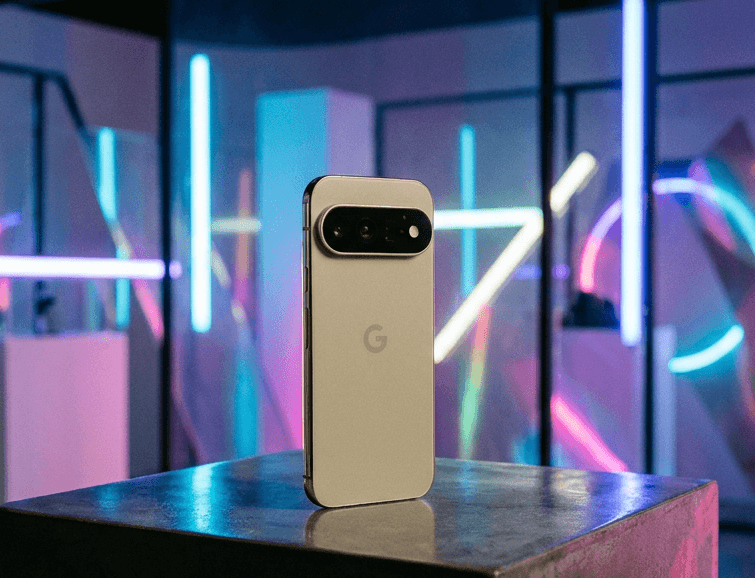
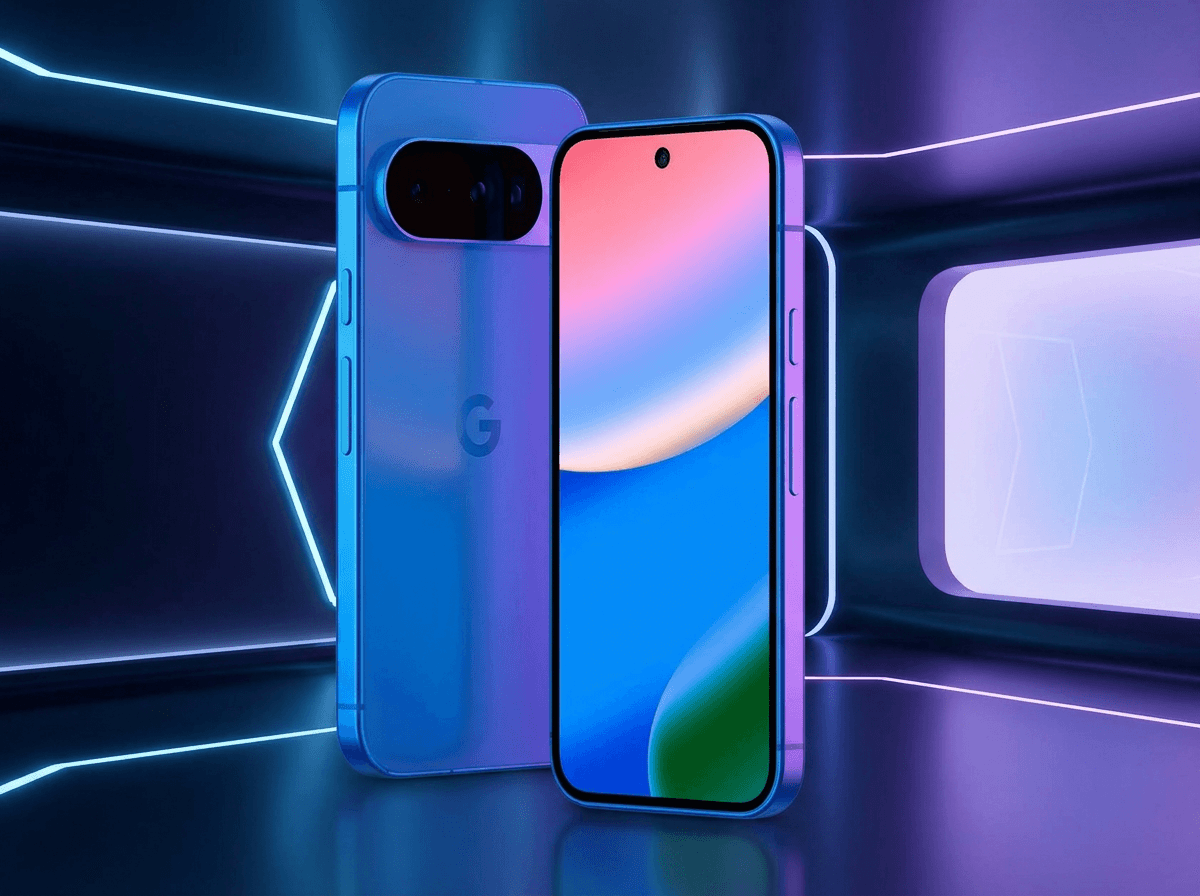
Google has maintained its signature design language with the Pixel 10 Pro, opting for understated elegance over aggressive styling. The device features a slightly curved aluminum frame that feels secure in the hand, paired with a matte glass back that resists fingerprints better than its glossy predecessors. While the visual changes are minimal, the ergonomic improvements are noticeable. The weight distribution has been tweaked, making the phone feel less top-heavy during one-handed use. After a week of daily use, I noticed that the reduced bezels around the display create a more immersive viewing experience without sacrificing the structural integrity of the chassis.
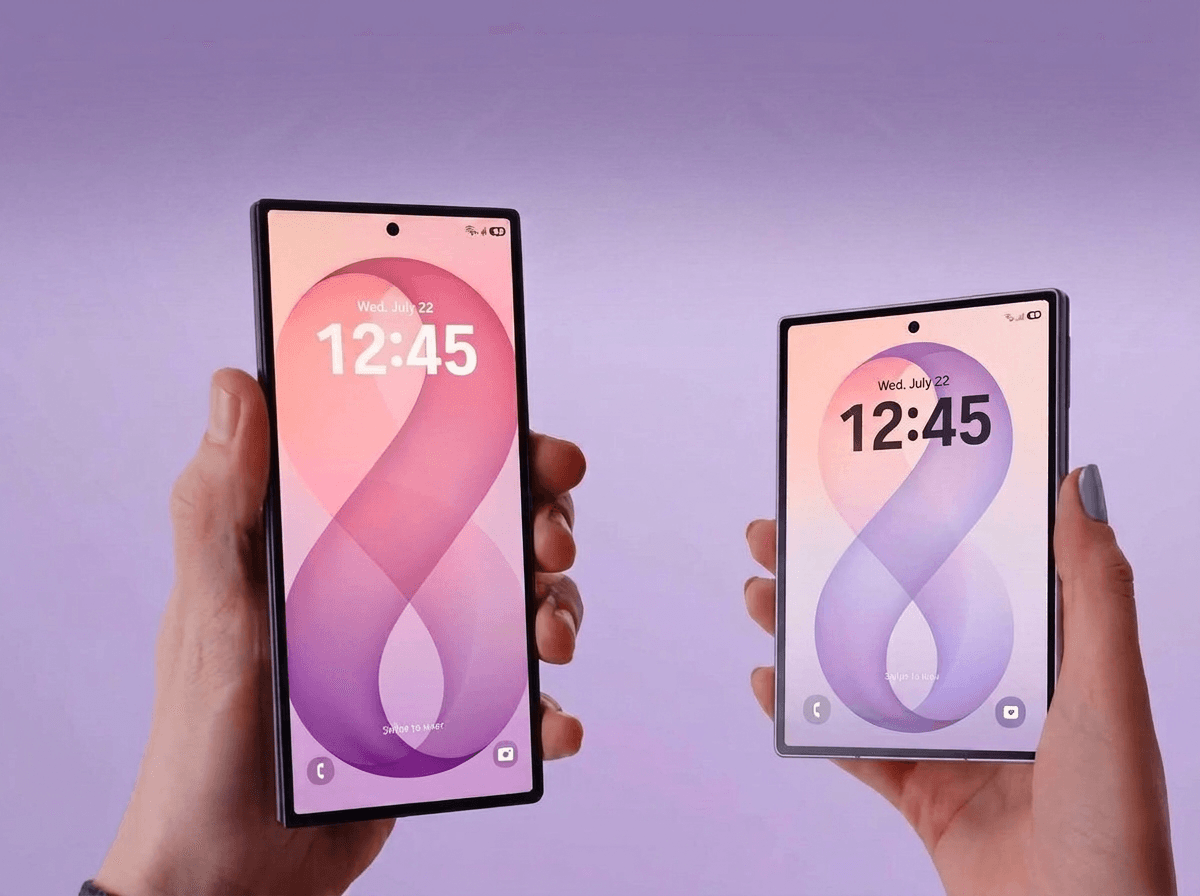
The display itself is a standout feature, boasting a high-refresh-rate LTPO OLED panel that delivers vibrant colors and deep blacks. Brightness levels have been bumped up, ensuring readability even under direct sunlight. The 120Hz adaptive refresh rate works seamlessly, dropping to lower rates to conserve battery when static content is displayed. This screen is not just for consumption; it is a critical tool for photographers. The color accuracy is exceptional, allowing users to preview images with confidence before they are captured. GSMArena has noted that the peak brightness metrics of this panel place it among the top-tier displays available in the current market.
Performance and Battery Life
Under the hood, the Pixel 10 Pro is powered by Google’s latest Tensor G5 chip. This custom silicon is designed specifically to handle the intensive machine learning tasks required for computational photography and real-time language processing. While raw benchmark scores may not always surpass the absolute highest numbers from Apple or Qualcomm, the efficiency gains are substantial. The chip manages thermal throttling better than previous generations, meaning sustained performance during long photo sessions or video editing remains consistent. I noticed that even when running multiple AI-heavy applications simultaneously, the device remained cool to the touch.
Battery life has seen a significant improvement, addressing one of the most common criticisms of earlier Pixel models. The larger battery capacity, combined with the efficiency of the Tensor G5, allows the device to easily last a full day of heavy use. For moderate users, pushing into a second day is achievable. Fast charging speeds have also been increased, reducing the time spent tethered to a wall outlet. Wireless charging remains supported, though it is not the fastest on the market. The integration of adaptive battery features ensures that power is allocated to the apps you use most, further extending endurance. This reliability makes the Pixel 10 Pro a viable primary device for professionals who cannot afford downtime.
The Camera System: Hardware Evolution
The heart of the Pixel 10 Pro is its triple-camera array. The main sensor has been upgraded with a larger pixel size, allowing for better light gathering in low-light conditions. The ultrawide lens now features improved sharpness and reduced distortion at the edges, while the telephoto lens offers enhanced optical zoom capabilities. Google has also introduced a new periscope lens design that maintains a slimmer profile while delivering superior magnification. When I ran it through a full day of photography, the versatility of this setup was immediately apparent. Whether capturing wide-angle landscapes or distant architectural details, the transitions between lenses were seamless.
One of the most significant changes is the integration of advanced hardware-level noise reduction. This allows the camera to process images faster, reducing the delay between pressing the shutter and the image appearing on the screen. This is particularly beneficial for capturing fast-moving subjects, such as children or pets. The autofocus system has also been refined, using AI to predict motion and adjust focus proactively. DXOMARK has highlighted these improvements, noting that the Pixel 10 Pro achieves some of the highest scores in low-light photography and video stabilization. The hardware is clearly designed to support the software’s ambitions, providing the raw data needed for Google’s computational magic.
Computational Photography: The Software Edge
Hardware alone does not make a great camera; it is the software that truly sets the Pixel apart. Google’s computational photography algorithms have become more sophisticated, leveraging AI to enhance dynamic range, color accuracy, and detail retention. Features like Night Sight have been improved, allowing for stunningly clear photos in near-total darkness. The HDR+ processing is more aggressive yet natural-looking, balancing highlights and shadows without creating an artificial appearance. I noticed that skin tones in portrait mode are more accurate and flattering, a common complaint with previous models that has been largely resolved.
Video capabilities have also seen a major boost. The Pixel 10 Pro now supports 8K video recording, although 4K at 60fps remains the sweet spot for most users. The video stabilization is industry-leading, smoothing out handheld footage to a degree that rivals dedicated gimbal setups. New AI-driven features allow for real-time background blurring and subject tracking, making it easier to create professional-looking content on the fly. The integration of Google Assistant into the camera app allows for voice-controlled shots and automated edits, streamlining the workflow for content creators. This software-first approach ensures that the camera continues to improve over time through OTA updates.
Practical Tips for Maximizing Camera Performance
To get the most out of the Pixel 10 Pro’s camera system, users should take advantage of the advanced settings and features available. Here are some practical tips to enhance your photography experience:
Enable "Pro Mode" for manual control over ISO, shutter speed, and white balance, allowing for creative experimentation in challenging lighting conditions.
Use the "Long Exposure" feature in Night Sight to capture light trails from moving vehicles or smooth water effects in landscapes.
Take advantage of the "Magic Eraser" tool to remove unwanted objects or people from your photos, saving time in post-processing.
Keep your lens clean before shooting, as smudges can significantly impact image clarity, especially in low-light scenarios.
Experiment with the "Portrait Light" effects to add dramatic lighting to your subjects, even in flat lighting environments.
These features are not just gimmicks; they are powerful tools that can elevate your photography skills. By understanding how to use them effectively, you can capture images that stand out. The Pixel 10 Pro is designed to be accessible to beginners while offering enough depth for experienced photographers. Exploring these settings will help you unlock the full potential of the device.
Software Experience and Longevity
The Pixel 10 Pro runs on the latest version of Android, offering a clean and intuitive user interface. Google promises seven years of OS updates and security patches, ensuring that the device remains secure and up-to-date for a long time. This level of support is rare in the smartphone industry and adds significant value to the purchase. The integration of Google services is seamless, with features like Google Lens, Assistant, and Photos working harmoniously with the camera. I noticed that the system animations are smooth and responsive, contributing to a premium feel.
The software also includes several AI-driven features that enhance daily usability. For example, "Call Screen" allows the AI to answer calls on your behalf, filtering out spam and taking messages. "Live Translate" provides real-time translation for text and conversations, making it a valuable tool for travelers. These features, while not directly related to the camera, contribute to the overall value proposition of the Pixel 10 Pro. They demonstrate Google’s commitment to using AI to improve the user experience in meaningful ways.
Conclusion
The Google Pixel 10 Pro reaffirms its position as a top-tier smartphone for photography enthusiasts. While the design and performance improvements are welcome, it is the camera system that truly sets it apart. The combination of advanced hardware and cutting-edge software creates a photography experience that is both powerful and accessible. For buyers deciding whether to purchase this phone, the camera remains the primary reason to buy. It offers a level of computational photography that is unmatched by competitors, making it an ideal choice for those who prioritize image quality above all else. If you are looking for a device that captures life’s moments with clarity and creativity, the Pixel 10 Pro is a compelling option.