Google just took the wraps off the Pixel 11 lineup, and the timing matters here. This review comes together right after launch, built from early hands-on time and Google's own briefings rather than months of daily use. Full long-term testing is still ahead. But there's already enough to say something meaningful about where the Pixel 11 stands.
Four phones make up this year's lineup: the base Pixel 11, the Pixel 11 Pro, the larger Pixel 11 Pro XL, and the foldable Pixel 11 Pro Fold. Here's what actually changed, what stayed familiar, and whether any of it justifies an upgrade.
Design and Colors
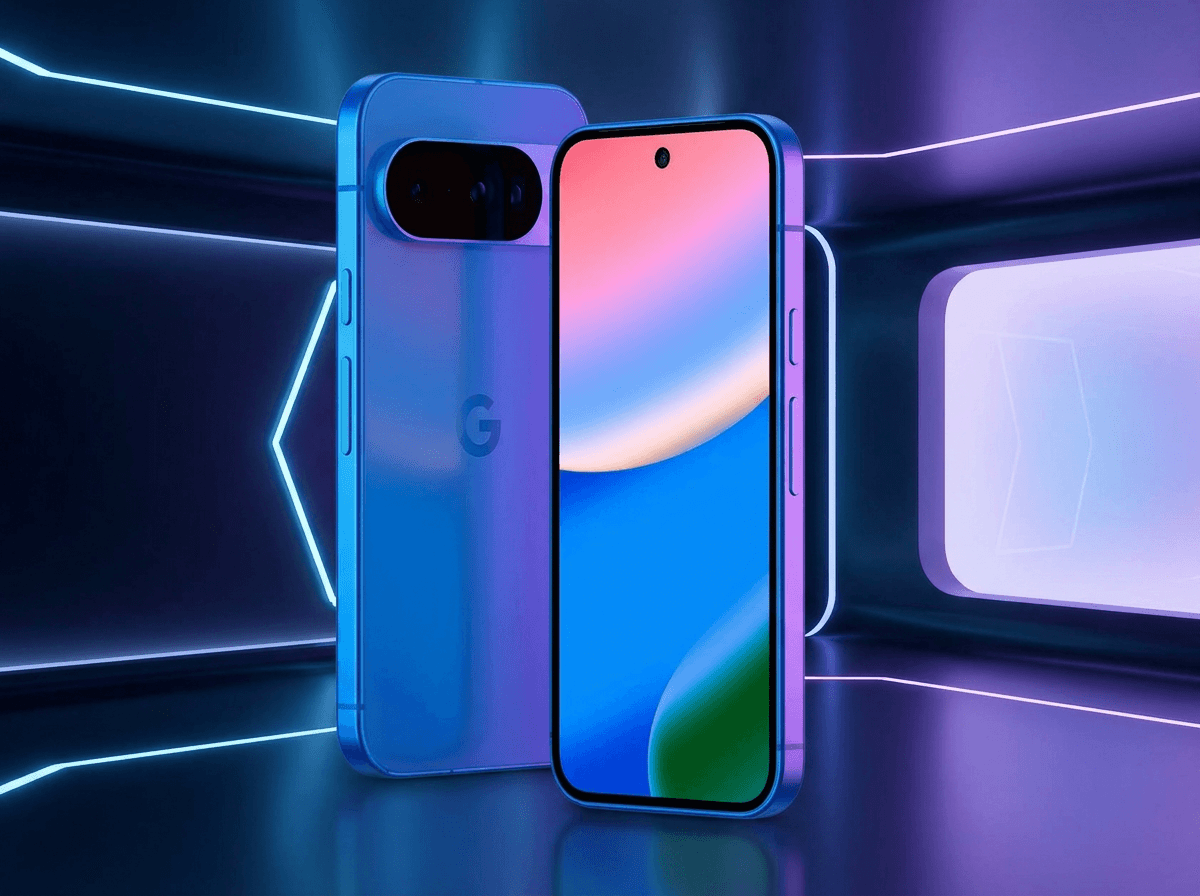
Google clearly put effort into the color lineup this year, and it shows. The base Pixel 11 keeps its glossy finish, now available in Frost, Hibiscus, Pistachio, and Obsidian. The names alone sound more playful than past Pixel color schemes.
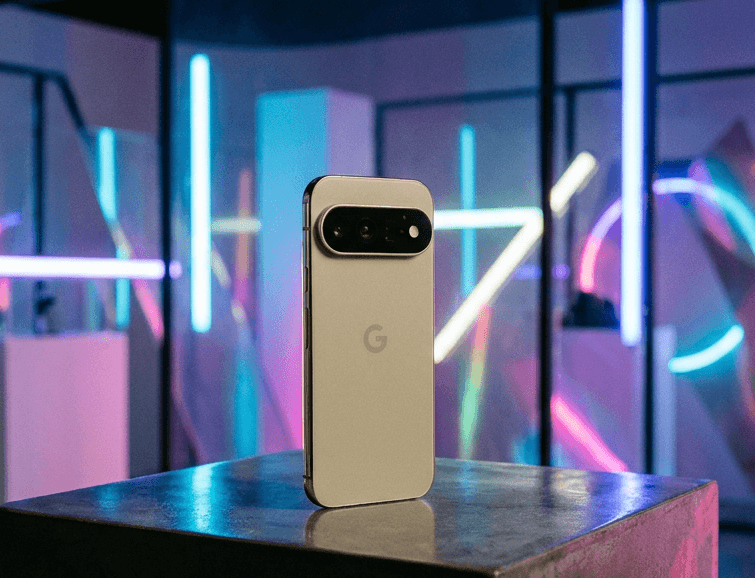
Step up to the Pro models and the palette shifts entirely. Canyon, Fog, Olive, and an all-matte Obsidian option, the first matte finish Google has offered on this tier. The Pixel 11 Pro Fold sticks to just two choices, Olive and Obsidian, which feels a bit restrained next to its siblings.
Beyond color, the Pro models get a shinier glass camera bar and a new HiLight LED embedded in the flash unit, adding colorful lighting effects. That feature stays exclusive to the Pro and Pro XL, so anyone buying the base Pixel 11 misses out on it entirely.
Durability improvements apply across the board too. Every Pixel 11 model uses Corning Gorilla Glass Victus 2, and the Pro variants get glass that Google claims is twice as scratch-resistant as before.
None of this radically reshapes what a Pixel looks like. It's still recognizably a Pixel. But the finish choices, especially that matte Obsidian option, suggest Google is paying closer attention to how these phones feel in hand, not just how they perform on paper.
Performance and the Tensor G6 Chip
Every model in the Pixel 11 lineup runs on Google's new Tensor G6 chipset. Google claims roughly 20 percent faster performance and 20 percent better power efficiency compared to last year's chip. The onboard TPU, responsible for AI processing, is reportedly 50 percent faster specifically at handling Gemini commands.
Security gets a boost too. Tensor G6 includes the newer Titan M3 security chip, which Google is calling its most secure Pixel hardware yet.
Memory configurations differ by tier. The base Pixel 11 ships with 12GB of RAM, while every Pro model bumps that up to 16GB. Early leaks actually suggested Google might cut RAM on the base model this year, which sparked some frustration among Pixel fans online. Those leaks turned out to be wrong. The 12GB figure matches last year's Pixel 10, not a downgrade.
Camera hardware also dodged a feared cut. Rumors circulated that Google might drop the telephoto lens on the base Pixel 11 entirely. According to more recent, trusted leaks, that telephoto lens survives, reportedly still offering 10.8x zoom, matching the previous generation.
Without extended benchmark testing yet, it's hard to say definitively how the Tensor G6 performs under sustained load. Google's own numbers point toward meaningful gains, particularly for Gemini-related tasks, but real-world verification will have to wait for deeper testing.
Display and Battery Life
Display upgrades focus heavily on the Pro tier. Both the Pixel 11 Pro and Pro XL now hit a peak brightness of 3,600 nits, which Google says is the brightest screen it's ever shipped on a Pixel. Outdoor visibility should improve noticeably as a result, assuming that number holds up under independent testing.
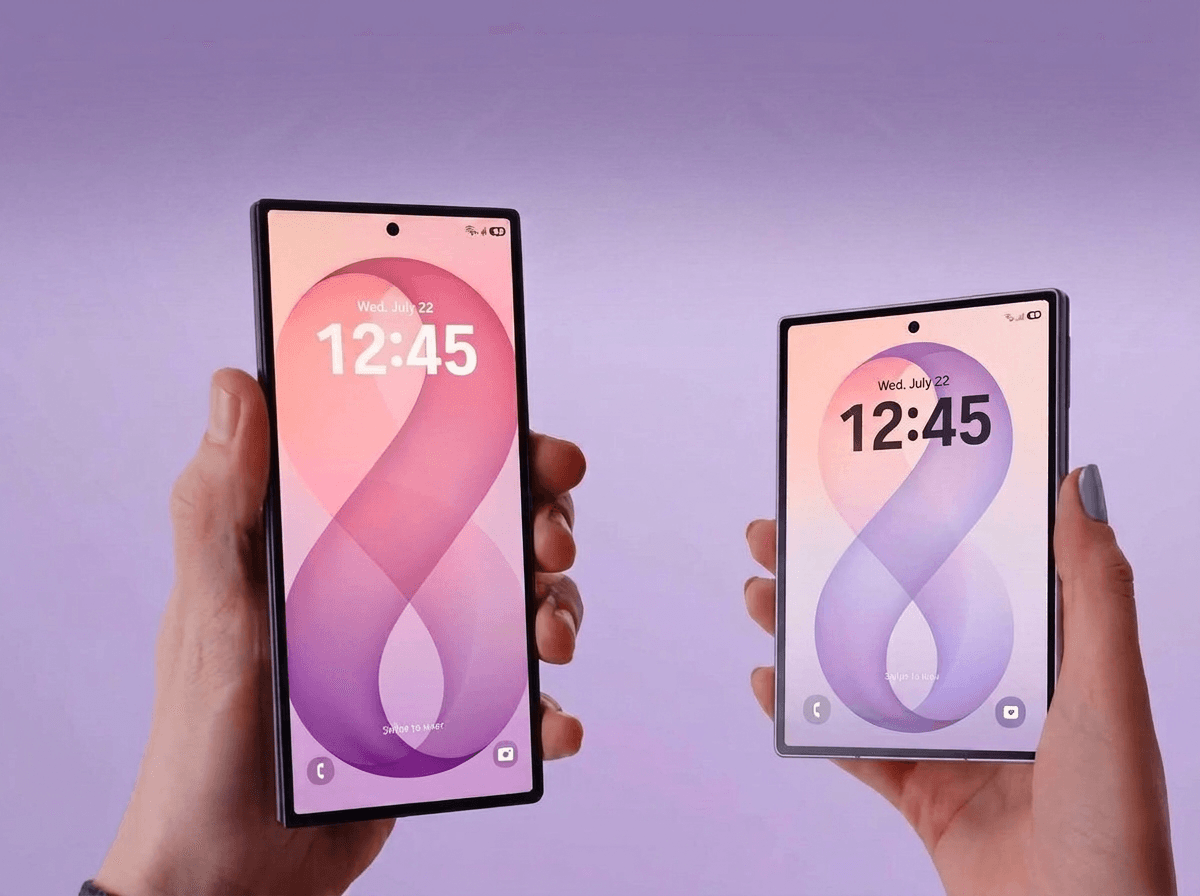
The base Pixel 11 sticks with a smaller 6.3-inch display and a reported 4,985mAh battery, according to spec listings. Google claims 30-plus hours of mixed usage across the Pixel 11 and both Pro models, roughly six hours longer than last year's phones. The Pixel 11 Pro Fold stays flat at 24 hours, unchanged from its predecessor.
Charging gets a real upgrade too. Every Pixel 11 model now supports Qi2.2 wireless charging at 25 watts through Pixelsnap, Google's answer to Apple's MagSafe magnetic charging system. That's a genuinely useful addition for anyone who's wanted magnetic charging on a Pixel for years.
Whether that 30-hour battery claim holds up in daily use remains to be tested properly. Manufacturer battery estimates rarely translate exactly to real-world habits, and this review can't confirm those numbers yet based on hands-on time alone.
Should You Upgrade From the Pixel 10?
This is probably the question most people actually care about. If you already own a Pixel 10, the honest answer is: it depends on which model you're eyeing.
One early comparison review put it bluntly, noting the Pixel 11 Pro XL feels like largely the same phone as the Pixel 10 Pro XL, just priced higher. That's a fair criticism for anyone hoping for a dramatic leap. The core design language hasn't changed much, and several of the year-over-year gains sit more in the incremental category than genuinely new territory.
That said, a few things do stand out enough to matter. The HiLight feature, exclusive to Pro models, adds something Pixel hasn't offered before. Faster Gemini processing could meaningfully improve how the phone handles AI features day to day, assuming Google's 50 percent claim holds up. And Pixelsnap wireless charging finally brings magnetic charging convenience that Pixel owners have wanted for a while.
For base Pixel 11 buyers specifically, missing out on HiLight makes the upgrade slightly less exciting than what Pro buyers get. Still, keeping the telephoto lens and RAM intact, after leaks suggested otherwise, keeps this year's base model from feeling like a step backward.
Conclusion
Based on early hands-on impressions and Google's own specifications, the Pixel 11 lineup looks like a solid, if unspectacular, refresh. The Tensor G6 chip promises real gains, particularly around Gemini and security, and the addition of Pixelsnap wireless charging fills a genuine gap in Google's ecosystem.
It's not a reinvention. Design stays familiar, and some Pro-exclusive features widen the gap between the base Pixel 11 and its pricier siblings. Whether these upgrades justify jumping from a Pixel 10 depends heavily on which specific model you're comparing and how much you value features like HiLight or that brighter display.
Full verdicts, including real battery testing and camera comparisons, will need more time with the hardware. For now, the Pixel 11 looks like a sensible step forward rather than a dramatic one.