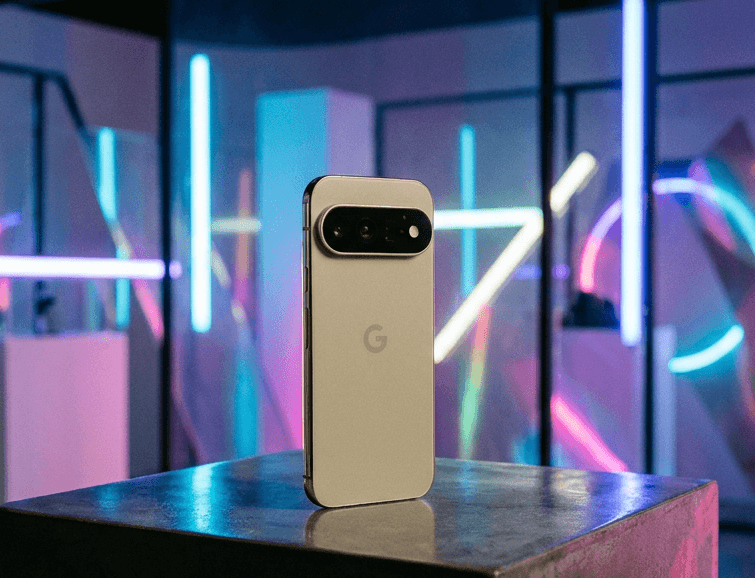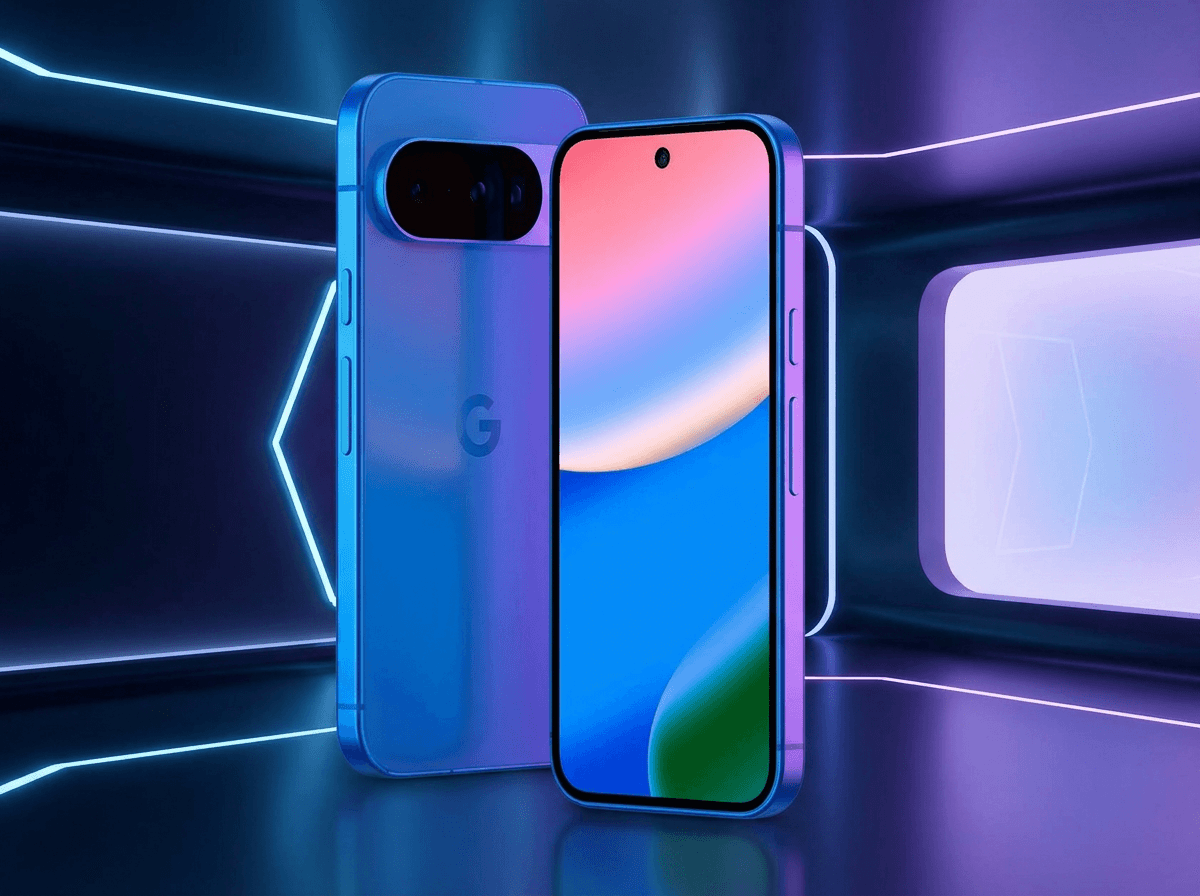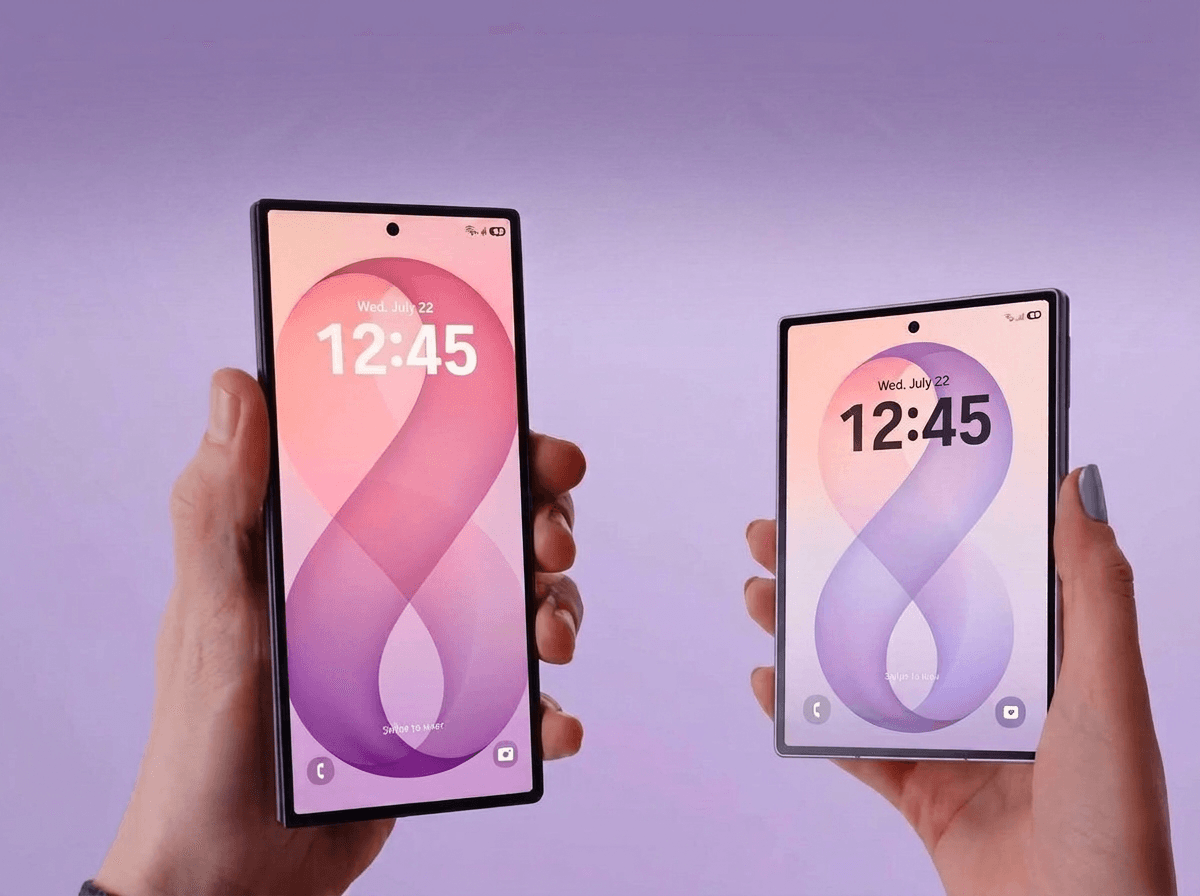
The era of foldable phones as niche curiosities for tech enthusiasts appears to be ending, replaced by a device that genuinely challenges the dominance of the traditional slab smartphone. Samsung has fundamentally redesigned the Galaxy Z Fold 8, moving away from the awkward, tall form factors of the past toward a wider, more ergonomic shape that prioritizes usability over novelty. This shift suggests a maturation of the category, where the device is no longer just an experiment in flexible glass but a serious contender for daily carry.
This review examines whether the Galaxy Z Fold 8 successfully bridges the gap between early adopters and mainstream consumers. By analyzing its new geometry, display improvements, performance metrics, and camera compromises, we determine if this iteration finally justifies its premium price tag for the average user. The focus is on practical everyday use, assessing if the hardware refinements translate into tangible benefits for browsing, media consumption, and productivity.
A Radical Shift in Form Factor and Geometry
The most striking difference in the Galaxy Z Fold 8 is not found in its specifications sheet, but in its physical shape. Samsung has abandoned the tall, narrow cover screen that defined previous generations of foldable devices. Instead, the new model features a shorter, wider 5.5-inch AMOLED front display with a 16:10 aspect ratio. This change makes the device resemble a passport when closed, offering a much more traditional smartphone footprint that feels familiar in the hand.
Unfolding the device reveals a 7.6-inch inner screen that is significantly wider than its predecessors. This aspect ratio favors video playback and split-screen multitasking, eliminating the cramped, boxy layouts that plagued earlier models. Watching a movie or scrolling through a webpage now feels natural, with content filling the screen without excessive letterboxing or awkward spacing. The design philosophy aligns with industry trends, as competitors like Apple and Google have also experimented with or hinted at similar wide-format approaches.
This geometric change drastically improves one-handed usability. The shorter height means users can reach every corner of the cover screen without stretching or adjusting their grip. For a device of this size, such ergonomic ease is rare and highly appreciated. Samsung has clearly listened to years of user feedback regarding the unwieldy nature of previous foldables. The result is a device that fits comfortably in pockets and feels less like a bulky tablet and more like a refined smartphone.
Display Quality and the Battle Against the Crease
The visible crease has long been the Achilles' heel of foldable technology. Samsung has addressed this persistent issue in the Galaxy Z Fold 8 through a new Flex Titanium construction. By pairing a titanium alloy film with a micro-perforated titanium base plate, the display sits nearly flush against the frame. While the crease has not vanished entirely, it is far less pronounced visually and tactilely than in previous models.
In real-world usage, the crease fades into the background, especially during video playback or text reading. This is a meaningful improvement for users who found earlier folding screens distracting. Additionally, Samsung has added an anti-reflective coating to the inner display, significantly boosting outdoor visibility. Brightness levels reportedly match those of the higher-end Ultra model, ensuring that buyers do not sacrifice screen quality for a lower price point. Color reproduction remains vivid without appearing oversaturated, and text renders sharply even at smaller sizes.
These enhancements make the display a joy to use for multitasking. Whether reviewing documents or juggling messaging apps side by side, the screen handles complex tasks with ease. The combination of reduced crease visibility, improved brightness, and sharp text rendering makes the Galaxy Z Fold 8's display one of the strongest selling points of the new design. It transforms the inner screen from a novelty into a primary interface for daily activities.
Battery Life
Under the hood, the Galaxy Z Fold 8 does not compromise on power. It shares the same Snapdragon 8 Elite Gen 5 chipset as the more expensive Ultra model, ensuring that day-to-day performance feels identical. Apps launch instantly, and multitasking across the wide inner display is smooth and stutter-free. Samsung has ensured that the standard model is not throttled, providing a premium experience that matches its flagship sibling.
Charging speeds also match the Ultra tier, allowing for fast wired charging that quickly brings the phone back to usable levels. However, there is a trade-off: the standard Galaxy Z Fold 8 ships with a smaller battery capacity than the Ultra, a compromise made to maintain a slimmer profile. Despite this, the battery life gap has proven minor in real-world testing. A full day of mixed use, including video streaming and messaging, is realistic for most users.
Heavy gaming sessions will drain the battery faster, as expected on any device with two active displays. However, Samsung's software optimization plays a crucial role here. The Galaxy Z Fold 8 manages background processes efficiently across its two screens, stretching battery life further than raw hardware specs might suggest. For users who prioritize speed and multitasking, the performance is outstanding, and the battery life is sufficient for daily needs without requiring constant charging.
Cameras: A Reasonable Compromise for Most Users
Camera performance is where the Galaxy Z Fold 8 draws a clear line against the Ultra model. The standard version features a dual 50-megapixel rear setup that performs admirably in daylight and handles moderate low-light conditions competently. Photo processing looks natural rather than overly sharpened, which many users will appreciate for everyday snapshots. The interface also makes good use of the wide cover screen for framing selfies or group shots.
However, the device lacks a dedicated telephoto lens, a feature reserved for the Ultra's triple-camera system. Anyone hoping to zoom in on distant subjects will immediately notice this gap. This is the most consistent criticism across early reviews and a fair one for a device at this price point. For casual photographers, the Galaxy Z Fold 8 covers the basics well, but for those prioritizing zoom flexibility or professional-grade photography, the Ultra variant remains the better choice.
Video capture remains solid, with stable footage and good dynamic range. The absence of a telephoto lens is a notable omission, but for most users who primarily take photos of friends, family, and daily life, the dual-camera setup is sufficient. The decision to omit the telephoto lens helps keep the cost lower, but it is a trade-off that potential buyers must weigh carefully against their photography needs.
Pricing, Practicality, and Market Position
Samsung has confirmed pricing for the Galaxy Z Fold 8, with the standard model starting at $1,899.99 for 12GB of RAM and 256GB of storage. Higher storage configurations of 512GB and 1TB are priced at $2,099 and $2,499, respectively. The Galaxy Z Fold 8 Ultra starts at $2,099.99, offering a $200 premium for additional features like the telephoto lens and larger battery. Pre-orders began on July 22, 2026, with general sales starting on August 7.
For most consumers, the standard Galaxy Z Fold 8 makes more practical sense. It delivers nearly identical performance, matching charging speeds, and comparable display brightness to the Ultra, all while costing less. The battery trade-off is minor in real-world usage, making the standard model the more logical choice for everyday users. However, one lingering issue is dust resistance, which the Galaxy Z Fold 8 still lacks compared to some rivals.
This omission stands out for a device marketed as durable and refined. Buyers who use their phones in less controlled environments may find this lack of dust resistance concerning. Still, the overall package addresses more longstanding foldable complaints than it introduces. The Galaxy Z Fold 8 fits in pockets more comfortably than earlier designs, and its wider screen is actually utilized rather than felt as extra bulk. For those ready to make the leap, the standard model offers the best value proposition.
Conclusion
The Galaxy Z Fold 8 represents the most significant redesign in the line's history. By widening its proportions and rethinking how people actually use their phones, Samsung has created a device that feels purpose-built for video, browsing, and multitasking. It is not perfect, with the missing telephoto camera and absent dust resistance remaining real drawbacks. However, the improved crease, strong battery efficiency, and genuinely comfortable form factor push the Galaxy Z Fold 8 closer to mainstream viability than any previous foldable Samsung has released.
Is it ready for everyone? Not quite, as the $1,899.99 starting price still rules out casual upgraders. But for anyone already considering a foldable, the Galaxy Z Fold 8 offers the strongest case yet that this category has matured into something worth owning. If you are ready to make the switch, start by testing the one-handed usability in-store to ensure the new geometry fits your grip comfortably.
FAQ
Is the Galaxy Z Fold 8 worth the price over the Ultra?
For most users, yes. The standard model offers nearly identical performance and display quality at a lower price. The main differences are the telephoto lens and larger battery in the Ultra, which are only critical for heavy photographers or power users.
How significant is the crease on the new model?
The crease is significantly less visible and tactile than in previous models. Thanks to the Flex Titanium construction, it fades into the background during normal use, making it much less distracting for everyday tasks.
Does the Galaxy Z Fold 8 have dust resistance?
No, the Galaxy Z Fold 8 currently lacks dust resistance, which is a notable omission compared to some competitors. Users should be cautious in dusty environments to avoid potential issues with the hinge or screen.